
Honey Bee Farming Business
Hey friends! How are you all doing? Welcome back to another exciting discussion here at DVB Tech Group.
Let’s be honest for a second. These days, almost everyone I talk to is looking to break free from the typical 9-to-5 grind, or at least start a highly profitable side hustle to build a secondary stream of income. But whenever we start brainstorming business ideas, the same old roadblocks pop up: “Which business can I start without drowning in massive debt?” or a “Which industry can you make large profits with little start up capital?
So friend, I have a great little known idea for you today that checks all of these boxes: start a honey bee farm (also called beekeeping or apiculture).
Hold it! “Beekeeping? What’s that?” I already hear you asking yourself. Are you insane? “Those little bugs sting and it hurts and it sounds so dangerous!
Boss, please take a deep breath and listen to me. If you get the right training and set things up properly, this is actually one of the most rewarding, eco-friendly, and highly profitable ventures you can start today. Have you seen the market demand for pure, unadulterated, organic honey lately? People are willing to pay top dollar for the real deal because supermarket shelves are flooded with fake sugar syrups.
So, how do you actually start a honey bee farming business from scratch? How much investment does it take? And what kind of money can you make? Let’s break it all down in a super simple, step-by-step, practical way. Let’s get a coffee and get straight into the world of beekeeping!
What is Honey Bee Farming (Apiculture)?
The average person thinks of honey as something adventurers climb cliffs for wild hives, or climb huge trees in the forest for. Wild honey hunting is still practiced, but commercial honey production today relies on a regulated process called Apiculture.
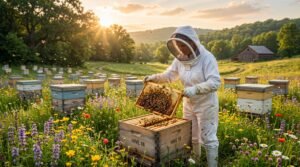
Simply put, honey bee farming means setting up specially designed, moveable wooden boxes called “Bee Boxes” in a safe place, introducing a healthy colony of bees, caring for them over time, and safely removing honey and other products from them.
Do you want to know the absolute best part about this business? It doesn’t demand your attention 24/7. You don’t need to stand out in the scorching sun all day or monitor the farm every hour. Once the colonies are established, you generally only need to check on your boxes once or twice a week for basic maintenance. You don’t have to do much so it’s the perfect way to make passive income or make some extra money on the weekends.
- Honey is expensive. Why?
You should always ask yourself before starting a business: Is there a market for my product that will sustain? And the answer regarding a honey is a resounding “yes”.
In recent years, there has been a massive global shift toward health and wellness. People are actively replacing refined white sugar with natural sweeteners, and pure honey sits right at the top of that list. It’s used daily in home remedies, traditional medicine, fitness diets, and gourmet cooking.
Furthermore, major commercial industries—like cosmetics, pharmaceuticals, and food processing—require massive quantities of high-grade honey and beeswax every single day. Because supply rarely catches up to this booming demand, local bee farmers who provide authentic, pure honey enjoy incredible market advantages.
- What You Need to Start a Beekeeping Business? You don’t need heavy machinery, an industrial factory or a big plot of land to begin a career in this line of work. Barriers to entry are surprisingly low. Here are the bare essentials you need to get the ball rolling:
1. The Ideal Location
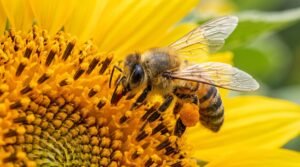
Location is everything in bee keeping. You don’t need acres of land. You can rent a small plot or work with local farmers. It is best to have your site near to fruit orchards, vegetable farms or flowering crop fields like sunflower, mustard, neem, mango, eucalyptus or drumstick. The more flowers within 1 to 2 km, the easier it is for your bees to forage and collect high quality nectar. Ensure the site has clean water and is protected from strong winds and direct sunlight.
2. Wooden bee boxes,
These boxes are man made hives. They are modular, consisting of a bottom board, a brood chamber where the queen lays eggs, a super chamber where honey is stored, and a top cover. Inside these chambers are wooden frames, which are removable, and on these the bees build their combs.
3. A Healthy Bee Colony
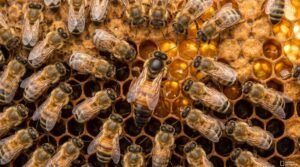
You can’t have a farm without livestock! You will need to purchase a starter “nucleus colony” or a full colony from a certified breeder. A healthy colony has thousands of worker bees, a few hundred drones (male bees) and most important a strong fertile Queen Bee who runs the whole hive.
4. Safety & Extraction Equipment
First, safety my friend! You need to buy standard safety equipment to work with confidence and to stay safe:
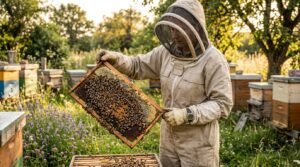
A beekeeping suit or face veil is a net that covers your whole head and face as a means of protection.
- Thick leather safety gloves: for keeping your hands safe during checks.
The Smoker is a great little gadget that burns dried leaves or wood shavings to make cool smoke. When gently blown into the hive, the smoke instantly calms the bees down, making it safe to open the box.
Money. We have to talk money. How much do you make? Okay, Boss. We all want to know about the math. So let’s do it. What kind of money can a small business actually make? You decide to start small, and you sell 10 bee boxes.
- Honey Yield: One healthy, well-kept bee box can usually produce 35 to 40 kg pure honey per year after collecting honey at different flowering times.
- The honey extractor is a mechanical centrifugal machine that was later used to spin the frames and get the honey out of them without damaging the wax combs.
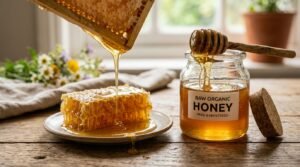

Total Production: The ten boxes of honey will produce approximately 350 to 400 kilograms of honey per year.
Honey Sales If you sell your pure, raw honey to people or small shops in your area for ₹400 per kg (which is about $5 to $6 USD depending on where you live), you can make ₹1,40,000 to ₹1,60,000 a year just from honey sales.
Value Added By-Products: The Hidden Goldmines
A lot of new bloggers don’t know this, but There are other ways to make money besides honey! Apiculture produces amazing products that have a lot of added value and sometimes can even sell for even more money:
Beeswax: When you remove the honey the extra wax caps melt. Many of the best candle makers and organic beauty brands use beeswax for lip balms, lotions and soaps.
Bee pollen and royal jelly in the health industry are called “superfoods” and sold at very high prices in health supplement stores and pharmacies.
Propolis is a sticky stuff that bees gather. It’s widely used in natural medicine and throat sprays because it kills bacteria.
By adding these additional products into the mix, your return on investment (ROI) speeds up a lot. Once your initial capital expense for the boxes and gear is recovered in the first year, your recurring costs are extremely minimal, turning the subs equent years into almost pure profit.
Pro-Tips for Long Term Success from the Insiders
Beekeeping is a business like any other, and needs strategy. Insider tips to help you beat the competition and make your colonies thrive are just what you need:
- Never Skip Formal Training: Don’t jump into investing your hard earned money blindly after watching a couple of videos on the internet. Please reach out to your local agricultural departments, universities, or government agencies (such as Krishi Vigyan Kendras or KVIC). They offer short, highly practical hands-on training programs for free or a nominal fee. Learning how to identify a sick queen or spot a pest infestation early will save your business from failure.
- Build an Authentic Brand: Instead of selling your premium honey in bulk to large corporations for cheap wholesale rates, package it yourself! Invest in clean, attractive glass jars, design a professional logo, and label it something memorable like “DVB Pure Honey“. Market it as “100% Raw, Unfiltered, and Organic.” Consumers gladly pay double the price for transparency and authenticity.
- Leverage Local Word-of-Mouth Marketing: Start small. Give free samples to family, neighbors, and friends who are into fitness. Once people taste the difference between real farm honey and factory made syrup, they will tell their friends about your business. Reach more people by putting your product on local WhatsApp business groups, Facebook Marketplaces and organic grocery stores in your area.
CONCLUSION…
Friends, honey bee farming is a great way to start a business that doesn’t take up a lot of space, doesn’t cost a lot of money, and only takes a few hours on the weekends. Not only are you making money with your business, you are helping the ecosystem by pollinating more plants. You literally help the environment and make good money for yourself as well.
Don’t wait any longer, boss. Begin reading about beekeeping, and look for places to keep bees in your area now.
What do you think of this business idea? Would you be interested in trying out such a venture? If you have any questions, doubts, or need help figuring out the logistics, drop a comment below and let’s start a conversation!
For more genuine, actionable business blueprints and the latest tech insights, make sure you hit bookmark and keep following DVB Tech Group. And I will see you all in our next post, take care, stay curious and visit Again bye-bye!